
The allure of casinos: Understanding motivations
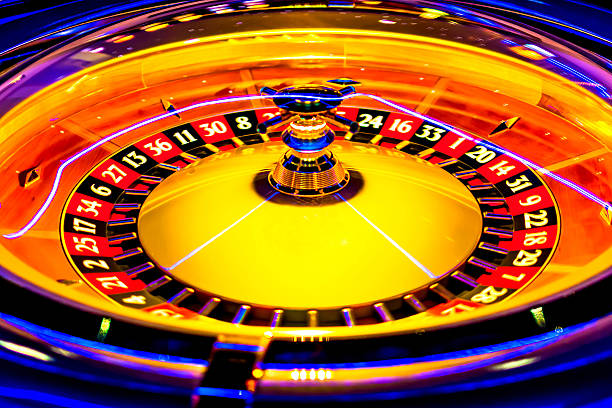
Casinos are designed to captivate players, creating an environment that appeals to various psychological triggers. The vibrant lights, enticing sounds, and the thrill of the game all contribute to the allure of gambling establishments. Players are often motivated by a range of factors, including the desire for entertainment, the thrill of risk, and the potential for financial gain. This intricate blend of excitement and possibility makes casinos compelling destinations for millions of individuals seeking an escape from everyday life. In California, the rise of sports gambling california has attracted new audiences, adding to the diverse motivations behind visiting casinos.
Moreover, the social aspect of gambling cannot be overlooked. Many players enjoy the communal experience, engaging with friends or meeting new people at tables and machines. This social interaction can enhance the overall experience, making the activity more appealing. Additionally, the competitive nature of some games, such as poker, can tap into a player’s desire for achievement and recognition, further driving their engagement with the casino environment.
The role of cognitive biases in gambling decisions
Cognitive biases play a significant role in how people perceive their chances of winning in a casino. For instance, the illusion of control is a common phenomenon where players believe they can influence the outcome of games of chance through skill or strategy. This belief often leads to increased engagement and investment in gambling, despite the randomness inherent in many casino games. Such biases can skew a player’s understanding of their odds, making them more likely to gamble beyond their means. Understanding these cognitive aspects can support better decision-making in the context of casinos.
Additionally, confirmation bias can lead players to focus on wins while ignoring losses. This selective memory reinforces the belief that they can win again, creating a cycle of continued play that may ultimately be detrimental. Understanding these cognitive biases is essential for both players and operators, as it can inform strategies for promoting responsible gambling practices.
The impact of environment on player behavior
The physical and psychological environment of a casino greatly influences player behavior. Factors such as layout, ambiance, and sensory stimuli play critical roles in how long individuals stay and how much they spend. Casinos often employ design strategies that encourage players to stay longer, such as eliminating clocks and using alluring decor that promotes a sense of timelessness. This design choice keeps players immersed in the gambling experience, potentially leading to greater expenditure.
Furthermore, the soundscape of a casino contributes to its atmosphere. The sounds of coins clinking, cheerful music, and ambient noise create a stimulating environment that can heighten arousal and excitement. This sensory overload can lead to impulsive decisions and extended gambling sessions, which may not align with a player’s intended budget. Understanding how these environmental factors affect behavior can help both players and casino operators foster a more responsible gambling atmosphere.
Emotional triggers and gambling addiction
Emotions play a pivotal role in gambling behavior, particularly when it comes to the potential for addiction. The high stakes and the thrill of winning can trigger feelings of elation and excitement, creating a powerful association between gambling and positive emotional experiences. Unfortunately, this connection can also lead to negative emotions, such as anxiety or depression, especially when a player experiences significant losses. The emotional rollercoaster associated with gambling can foster a dependency that is challenging to break.
Recognizing the signs of gambling addiction is crucial for both players and their loved ones. Emotional triggers, such as stress, loneliness, or boredom, can compel individuals to gamble as a coping mechanism. Addressing these underlying issues through therapy or support groups can be essential in helping individuals regain control over their gambling habits and leading to healthier behaviors both inside and outside of the casino context.

Explore responsible gambling practices
Our website aims to provide valuable insights into responsible gambling practices to ensure a safe and enjoyable experience for all players. By understanding the psychology behind player behavior, individuals can make informed decisions while enjoying the thrills of gaming. We offer resources that encourage self-awareness and mindfulness, helping players recognize their emotional triggers and cognitive biases.
Additionally, we strive to promote a gambling culture that prioritizes safety and responsibility. By exploring the latest trends and tools in the industry, we empower players to engage with casinos thoughtfully, ensuring that their experiences remain enjoyable and within their means. Your well-being is our priority, and we invite you to explore our comprehensive guide to enhance your understanding of responsible gambling practices.
